
Introduction
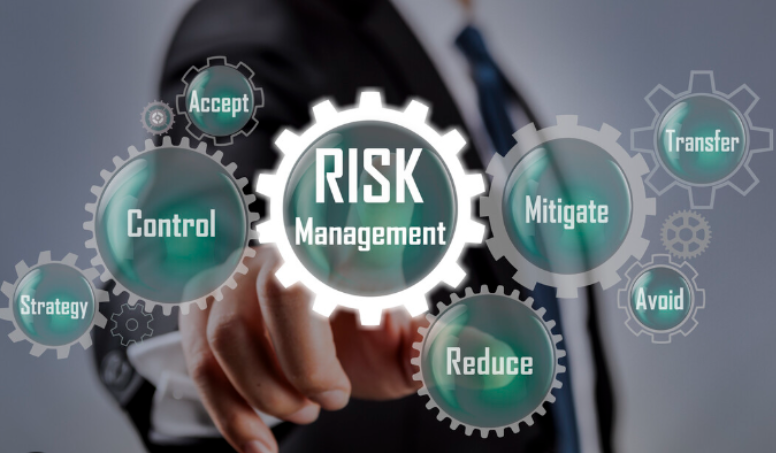
In today’s fast-changing and uncertain business environment, risk management has become one of the most important aspects of running a successful organization. Every business, regardless of its size or industry, faces risks that can affect its operations, profitability, and long-term survival. These risks may come from economic changes, competition, technology failures, legal issues, or even natural disasters. Effective risk management helps businesses identify, assess, and control these risks before they turn into serious problems.
What is Risk Management?
Risk management is the process of identifying potential threats to a business and developing strategies to minimize their impact. It involves analyzing possible risks, evaluating their likelihood, and taking preventive measures to reduce losses. The main goal of risk management is not to eliminate all risks but to manage them in a way that ensures business stability and growth.
Types of Business Risks
Businesses face different types of risks depending on their operations and environment. One common type is financial risk, which includes issues like cash flow problems, debt, and market fluctuations. Another type is operational risk, which arises from internal processes such as production failures or supply chain disruptions. There is also strategic risk, which occurs when business decisions fail to achieve expected results. Additionally, compliance risk happens when companies fail to follow laws and regulations.
Importance of Risk Management
Risk management is essential for protecting a company’s assets and ensuring smooth operations. It helps businesses avoid unexpected losses and maintain financial stability. By identifying risks early, companies can make better decisions and prepare for uncertainties. It also improves confidence among investors, employees, and customers, as they trust organizations that are well-prepared for challenges.
Risk Identification Process
The first step in risk management is identifying potential risks. This involves analyzing internal and external factors that could negatively impact the business. Internal risks may include employee errors, system failures, or poor management decisions. External risks may include economic downturns, political instability, or changes in customer demand. Proper identification helps businesses understand what they are dealing with.
Risk Assessment and Analysis
Once risks are identified, they must be analyzed based on their severity and likelihood. This process helps businesses prioritize which risks need immediate attention. Some risks may have a low probability but high impact, while others may occur frequently but have a smaller effect. By assessing risks carefully, companies can allocate resources more effectively.
Risk Mitigation Strategies
Risk mitigation involves taking steps to reduce the impact of risks. Businesses use different strategies depending on the type of risk. For example, they may diversify investments to reduce financial risk or implement strict quality control to reduce operational failures. Insurance is also a common method used to protect against unexpected losses. The goal is to minimize damage and ensure business continuity.
Role of Technology in Risk Management
Technology plays a major role in modern risk management. Advanced software and data analytics tools help businesses detect risks early and respond quickly. Artificial intelligence can predict market trends and identify potential threats before they occur. Cybersecurity systems protect companies from digital threats such as hacking and data breaches. Technology has made risk management more efficient and accurate.
Financial Risk Management
Financial risk is one of the most critical concerns for any business. It includes risks related to investments, credit, and market volatility. Companies manage financial risks by maintaining proper cash flow, diversifying investments, and using hedging strategies. Strong financial planning helps businesses remain stable even during economic uncertainties.
Operational Risk Management
Operational risks arise from day-to-day business activities. These may include equipment breakdowns, supply chain delays, or human errors. To manage these risks, businesses implement quality control systems, train Xổ số s8, and maintain backup systems. Efficient operational management ensures smooth functioning and reduces disruptions.
Strategic Risk Management
Strategic risks occur when business decisions do not align with market conditions or customer needs. Poor planning, incorrect market predictions, or failure to adapt to changes can lead to strategic failure. Businesses reduce these risks by conducting market research, analyzing competitors, and continuously reviewing their strategies.
Cybersecurity and Digital Risks
In the digital era, cybersecurity has become a major concern for businesses. Data breaches, hacking, and online fraud can cause significant financial and reputational damage. Companies must invest in strong cybersecurity systems, firewalls, and encryption technologies. Regular system updates and employee training also help prevent digital threats.
Challenges in Risk Management
Despite its importance, risk management comes with challenges. One major challenge is predicting future risks accurately, as business environments are constantly changing. Another challenge is balancing risk control with business growth, as too much caution can limit opportunities. s8.com, small businesses may lack resources to implement advanced risk management systems.
Benefits of Effective Risk Management
When properly implemented, risk management provides several benefits. It improves decision-making, reduces financial losses, and increases business stability. It also enhances customer trust and investor confidence. Companies with strong risk management systems are better prepared to handle crises and recover quickly from setbacks.
Conclusion
Risk management is a vital part of modern business strategy. It helps organizations identify potential threats, reduce losses, and ensure long-term stability. By using effective planning, technology, and preventive strategies, businesses can manage uncertainties more confidently. In a world where change is constant, strong risk management is not just an option—it is a necessity for survival and success.