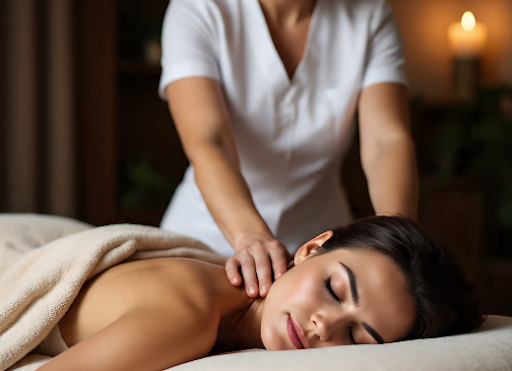

Circulation and muscle flexibility are fundamental to overall physical health, yet they are often overlooked until discomfort or stiffness appears. Modern lifestyles, characterized by prolonged sitting, repetitive movements, and limited physical variety, place continuous strain on the body. https://www.kakaochuljang.com/seongnam Over time, poor circulation and reduced flexibility can lead to fatigue, soreness, and restricted movement. Massage therapy offers a natural and effective way to address these issues by supporting the body’s internal systems and restoring smooth, efficient movement.
Massage therapy works through intentional touch and movement to stimulate blood flow, loosen tight tissues, and encourage functional flexibility. Its benefits extend beyond temporary relief, helping the body maintain balance and mobility over the long term.
Understanding the Importance of Healthy Circulation
Circulation plays a critical role in maintaining tissue health. Blood delivers oxygen and essential nutrients to muscles while carrying away waste products produced during activity. When circulation is compromised, muscles fatigue more quickly and recover more slowly.
Poor circulation can result from inactivity, stress, or muscular tension that restricts blood vessels. Massage therapy helps counteract these issues by encouraging steady blood flow, ensuring that tissues receive the nourishment they need to function optimally.
How Massage Stimulates Blood Flow
Massage therapy improves circulation through mechanical stimulation of soft tissues. When pressure is applied to muscles and skin, blood vessels expand temporarily, allowing increased blood flow to the area.
This enhanced circulation helps warm tissues, making them more responsive and pliable. Improved blood flow also supports faster delivery of oxygen, which is essential for muscle performance and recovery. As circulation improves, individuals often notice increased energy and reduced muscle fatigue.
Supporting Lymphatic Movement for Better Fluid Balance
In addition to blood circulation, the body relies on the lymphatic system to manage fluid balance and remove waste. Unlike blood circulation, the lymphatic system does not have a pump and depends on movement to function effectively.
Massage therapy gently stimulates lymphatic flow by encouraging fluid movement through soft tissues. This process helps reduce swelling and supports immune function. Better fluid balance contributes to improved muscle function and overall comfort.
Reducing Muscle Tightness That Restricts Circulation
Tight muscles can compress blood vessels, limiting circulation and contributing to discomfort. Massage therapy helps release this tightness by lengthening muscle fibers and reducing tension.
As muscles relax, blood vessels are no longer restricted, allowing circulation to improve naturally. This release not only enhances blood flow but also reduces the heavy or achy sensations often associated with poor circulation.
Improving Tissue Elasticity and Muscle Flexibility
Muscle flexibility depends on the elasticity of muscle fibers and surrounding connective tissues. When muscles become stiff, they resist stretching and limit joint movement. Massage therapy improves flexibility by softening tissues and increasing their ability to stretch.
Through slow, controlled movements, massage helps break down adhesions and encourage muscles to return to their natural length. This increased elasticity supports smoother movement and reduces the risk of strain.
Enhancing Joint Mobility Through Soft Tissue Work
While massage does not work directly on joints, it plays a crucial role in joint mobility by addressing the surrounding muscles and fascia. Tight tissues around joints can limit movement and cause discomfort.
Massage therapy loosens these surrounding structures, allowing joints to move more freely. Improved joint mobility contributes to better posture, balance, and coordination, all of which depend on flexible muscles and healthy circulation.
Encouraging Oxygen Delivery for Muscle Performance
Oxygen is essential for muscle function. During physical activity, muscles require increased oxygen to produce energy efficiently. Massage therapy supports this process by enhancing circulation and reducing restrictions in soft tissues.
With improved oxygen delivery, muscles perform better and fatigue less quickly. This benefit is particularly valuable for individuals who engage in physical work or exercise regularly.
Supporting Recovery After Physical Activity
Physical activity places stress on muscles, often leading to temporary stiffness or soreness. Massage therapy supports recovery by improving circulation and promoting muscle relaxation.
Enhanced blood flow helps remove metabolic byproducts and supports tissue repair. As muscles recover more efficiently, flexibility is restored, and movement becomes more comfortable.
Addressing Postural Imbalances That Limit Flexibility
Poor posture can create uneven tension in the body, restricting circulation and reducing flexibility in certain areas. Massage therapy helps address these imbalances by releasing overworked muscles and encouraging relaxation in strained regions.
As posture improves, circulation becomes more balanced, and muscles can move through their full range of motion. This alignment supports long-term flexibility and comfort.
Improving Circulation in Sedentary Lifestyles
Sedentary habits are a major contributor to poor circulation and stiffness. Prolonged sitting can slow blood flow and cause muscles to shorten over time.
Massage therapy counteracts these effects by stimulating circulation and reactivating underused muscles. Regular massage sessions can help offset the negative impact of inactivity and support healthy movement patterns.
Promoting Relaxation to Enhance Flexibility
Stress causes muscles to contract and remain tense, limiting flexibility. Massage therapy promotes relaxation, which allows muscles to release unnecessary tension.
As relaxation increases, muscles become more receptive to stretching and movement. This relaxed state supports both circulation and flexibility, creating a positive cycle of improved function.
Long-Term Benefits of Regular Massage Therapy
While a single massage session can provide immediate benefits, consistent massage therapy offers lasting improvements in circulation and muscle flexibility. Over time, tissues become healthier, movement becomes easier, and the body adapts more effectively to daily demands.
Regular massage supports ongoing maintenance of muscle health, helping prevent stiffness and circulation-related discomfort before they become chronic issues.
Integrating Massage Therapy Into a Healthy Routine
Massage therapy works best when combined with other healthy habits such as movement, 판교 출장마사지 추천 hydration, and mindful posture. Together, these practices support optimal circulation and flexibility.
Incorporating massage into a regular wellness routine provides consistent support for the body’s systems, enhancing overall physical function and comfort.
Conclusion
Massage therapy improves circulation and muscle flexibility by addressing the body’s soft tissues in a natural, effective way. Through enhanced blood flow, reduced muscle tension, and improved tissue elasticity, massage supports smooth movement and overall vitality.
In a world where physical strain and inactivity are common, massage therapy offers a practical solution for maintaining healthy circulation and flexible muscles. By making massage a regular part of self-care, individuals can enjoy improved mobility, reduced discomfort, and a stronger connection to their physical well-being.