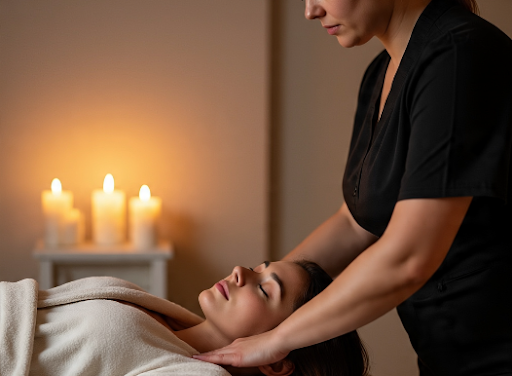

Modern life is full of pressures that can take a toll on both the body and mind. Long working hours, physical strain, poor posture, and emotional stress can leave individuals feeling tense, sore, and exhausted. While there are many approaches to alleviating these challenges, massage therapy has emerged as one of the most effective and natural solutions for managing stress, pain, and fatigue. https://www.vivigimassage.com/bangi By combining skilled touch, targeted techniques, and therapeutic pressure, massage therapy addresses the root causes of discomfort while promoting overall health and well-being.
This article provides a complete breakdown of massage therapy, exploring how it works, its benefits for stress reduction, pain management, and fatigue relief, and practical considerations for anyone seeking to incorporate it into their wellness routine.
Understanding Massage Therapy
Massage therapy is a hands-on practice in which trained therapists manipulate muscles, connective tissues, and joints to improve physical function, relieve tension, and support mental health. While often associated with luxury spas or relaxation, massage therapy is a clinical and evidence-based approach that can be integrated into everyday wellness practices or rehabilitation programs.
There are various types of massage techniques, each with specific objectives. Swedish massage is designed to improve circulation and promote relaxation, while deep tissue massage targets the deeper layers of muscle to release chronic tension. Sports massage focuses on injury prevention and recovery, and trigger point therapy addresses localized areas of intense pain or stiffness. Each type of massage works through physical manipulation of tissues as well as stimulation of the nervous system, making it a multifaceted tool for stress, pain, and fatigue management.
Massage Therapy and Stress Relief
Stress has far-reaching effects on both the body and mind. Physiologically, it triggers the sympathetic nervous system—the body’s “fight or flight” response—resulting in increased heart rate, elevated cortisol levels, and muscle tension. Mentally, stress can reduce concentration, increase irritability, and disrupt sleep patterns.
Massage therapy combats stress on multiple levels. Physically, the gentle pressure and rhythmic movements of a session signal the body that it is safe, triggering the parasympathetic nervous system—the “rest and digest” mode. This activation slows the heart rate, lowers blood pressure, and reduces stress hormone levels. Many people report feeling deeply relaxed and mentally clear after just a single session.
Additionally, massage promotes the release of endorphins, the body’s natural “feel-good” chemicals, which can improve mood and reduce anxiety. Oxytocin, another hormone released during physical touch, further enhances relaxation and promotes a sense of emotional security. These chemical changes, combined with the physical relief of tension, make massage a powerful tool for managing stress in a natural, drug-free way.
Pain Management Through Massage
Pain is one of the most common reasons individuals seek massage therapy. Whether stemming from chronic conditions such as arthritis, fibromyalgia, or back pain, or from acute injuries like muscle strains, massage offers a non-invasive method to reduce discomfort and improve mobility.
One of the primary ways massage alleviates pain is by improving blood circulation. Increased blood flow delivers oxygen and essential nutrients to tissues, accelerating healing and reducing inflammation. At the same time, massage stimulates the nervous system to release endorphins, which act as natural analgesics, reducing pain perception.
Massage also targets muscle tension, a common contributor to chronic pain. Techniques such as deep tissue massage, myofascial release, and trigger point therapy work to release knots, improve muscle elasticity, and relieve pressure on nerves. This not only eases current pain but can prevent future discomfort by correcting imbalances and promoting proper posture and alignment.
Scientific studies consistently show that regular massage can reduce lower back pain, neck stiffness, and joint discomfort, often with longer-lasting effects than medication alone. For individuals who prefer holistic or non-pharmaceutical interventions, massage offers a safe and effective alternative.
Combating Fatigue with Massage Therapy
Fatigue, whether physical, mental, or emotional, can undermine daily performance and overall quality of life. It is often the result of prolonged stress, overexertion, or poor recovery between physical activity. Massage therapy helps combat fatigue by addressing both the physiological and neurological factors that contribute to exhaustion.
Physiologically, massage improves circulation and lymphatic flow, ensuring that muscles and organs receive oxygen-rich blood while removing metabolic waste. This enhanced nutrient delivery and detoxification help the body recover more efficiently from exertion and daily stressors.
Neurologically, massage stimulates the parasympathetic nervous system, promoting relaxation and restoring energy reserves. The calming effect of massage reduces mental fatigue, improves concentration, and enhances mood, allowing individuals to feel more alert and rejuvenated. Even brief sessions of 20–30 minutes can produce noticeable improvements in energy levels and overall vitality.
Key Techniques and Their Benefits
Massage therapy encompasses a variety of methods, each tailored to address specific issues related to stress, pain, and fatigue:
- Swedish Massage: Uses long, flowing strokes to promote relaxation, reduce stress, and enhance circulation. Ideal for general wellness and mental clarity.
- Deep Tissue Massage: Targets deeper layers of muscle and connective tissue to relieve chronic pain, release tension, and improve flexibility. Often used for back, shoulder, and neck discomfort.
- Sports Massage: Designed for athletes or active individuals, this technique aids recovery, prevents injuries, and reduces muscle soreness after intense physical activity.
- Trigger Point Therapy: Focuses on specific tight areas or knots that cause pain elsewhere in the body. Effective for headaches, joint pain, and localized discomfort.
- Aromatherapy Massage: Combines essential oils with massage techniques to further enhance relaxation, improve mood, and reduce fatigue.
- Shiatsu and Acupressure: Involves applying pressure to specific points on the body to balance energy flow, relieve tension, and promote overall wellness.
Each of these techniques can be customized to individual needs, allowing massage therapy to address a broad spectrum of physical and psychological concerns.
Integrating Massage Into a Wellness Routine
For maximum benefits, massage therapy should be incorporated into a consistent wellness plan. While one session can provide immediate relief, regular treatments help maintain long-term physical and mental health. Many people find that combining massage with stretching, yoga, or mindful meditation amplifies its effects.
Practical tips for integrating massage therapy include:
- Scheduling sessions strategically: Weekly or biweekly appointments are often ideal for managing chronic stress, pain, or fatigue.
- Communicating with your therapist: Providing feedback ensures that pressure, technique, and focus areas are tailored to your needs.
- Self-care between sessions: Gentle stretching, hydration, and rest enhance the benefits of massage and maintain flexibility and circulation.
- Mindfulness during massage: Focusing on breathing and body sensations helps deepen relaxation and supports the nervous system reset.
Safety and Considerations
While massage therapy is generally safe, certain conditions require caution. Individuals with acute injuries, skin conditions, fractures, or certain medical conditions should consult their healthcare provider before beginning a massage regimen. 천호역 근처 출장마사지