
Introduction
Despite the rise of social media and paid ads, email marketing remains one of the highest ROI digital marketing channels in 2025. Why? Because email allows you to communicate directly with people who have already shown interest in your brand. Unlike social media algorithms, email puts your message straight into your audience’s inbox.
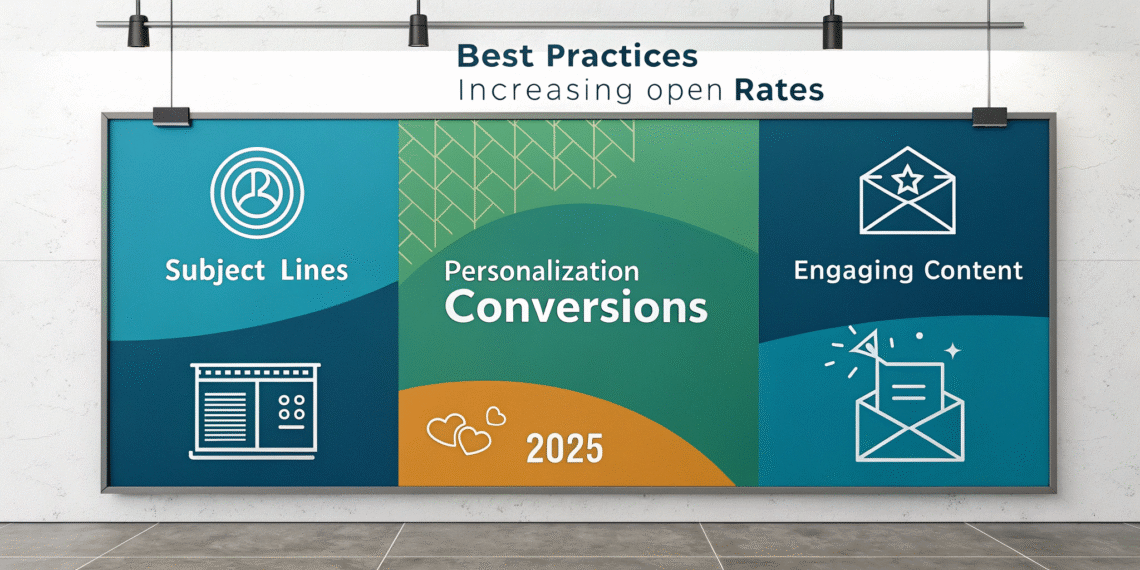
However, simply sending emails is not enough. To succeed, you need to follow email marketing best practices—from writing compelling subject lines to delivering real value and avoiding spam mistakes. In this guide, you’ll learn how email marketing works, step-by-step best practices, real examples, common mistakes, and beginner-friendly strategies to improve open rates, engagement, and conversions without annoying your subscribers.
What Is Email Marketing? (Simple Explanation)
Email marketing is the process of sending targeted messages to a group of subscribers via email to build relationships, promote products, or share valuable content.
Email Marketing Examples
Weekly newsletters
Promotional emails
Product launches
Educational email series
Abandoned cart emails
Key Idea: Email marketing focuses on permission-based communication.
Why Email Marketing Is Still Powerful in 2025
Many people think email is outdated—but the data says otherwise.
Key Benefits
Direct access to your audience
High return on investment
Personalized communication
Better conversions than social media
Full control (no algorithm dependency)
Mini Case Study
An online course creator added a simple weekly newsletter. Within 3 months, email-driven sales accounted for 42% of total revenue—without paid ads.
How Email Marketing Works (Step-by-Step)
Step 1 – Build a Quality Email List
Focus on quality, not quantity.
Best Ways to Build a List:
Free guides or checklists
Website signup forms
Lead magnets
Blog subscriptions
Never buy email lists.
Step 2 – Segment Your Subscribers
Segmentation means grouping subscribers based on interests or behavior.
Examples:
New subscribers
Existing customers
Interested but not purchased
Result: Higher open rates and engagement.
Step 3 – Write Compelling Subject Lines
Subject lines decide whether your email is opened or ignored.
Best Practices:
Keep it under 50 characters
Create curiosity
Avoid spam words
Personalize when possible
Example:
“Buy Now!!!”
“3 simple tips to boost your traffic today”
Step 4 – Provide Real Value in Email Content
Your email content should:
Be clear and concise
Solve a problem
Offer useful tips
Include one clear CTA
Rule: Value first, promotion second.
Step 5 – Optimize Email Design
Good design improves readability.
Design Tips:
Short paragraphs
Mobile-friendly layout
Clear buttons
Simple formatting
Step 6 – Choose the Right Sending Time
Timing affects open rates.
General Best Times:
Tuesday to Thursday
Morning (9–11 AM)
Test different times for your audience.
Email Marketing Best Practices (Quick Checklist)
Write engaging subject lines
Personalize emails
Segment your list
Be consistent
Track performance
Respect unsubscribe requests
Email Marketing for Beginners (Simple Strategy)
Beginner-Friendly Plan
Choose an email marketing tool
Create a signup form
Offer a free resource
Send 1 email per week
Analyze results
Consistency beats frequency.
Common Email Marketing Mistakes to Avoid
Sending too many emails
Over-promoting products
Ignoring mobile users
Not testing subject lines
Forgetting unsubscribe options
Reality Check
Annoyed subscribers don’t convert.
Email Marketing vs Social Media Marketing
Email MarketingSocial MediaDirect accessAlgorithm-basedHigher conversionLower conversionPersonalPublicOwned audienceRented audience
Best Strategy: Use both together.
How Email Marketing Fits Into Your Digital Marketing Strategy
Email marketing supports:
Content marketing
SEO traffic conversion
Product launches
Customer retention
It turns visitors into loyal customers.
FAQs
Q1: What are email marketing best practices?
They include personalization, segmentation, valuable content, and consistency.
Q2: How often should I send emails?
Once per week is ideal for beginners.
Q3: Is email marketing free?
Basic tools are free; advanced features may cost money.
Q4: What is a good email open rate?
20–30% is considered good in most industries.
Q5: Can email marketing generate sales?
Yes, it is one of the best channels for conversions.
Q6: Is email marketing good for small businesses?
Absolutely—it’s cost-effective and scalable.
Internal Links
What Is Digital Marketing? A Beginner’s Guide
Content Marketing Explained: How to Attract Customers Without Ads
Social Media Marketing Strategy That Works in 2025
External Links (Authority Sources)
HubSpot Email Marketing Guide
Mailchimp Marketing Resources
Google Email Sender Guidelines